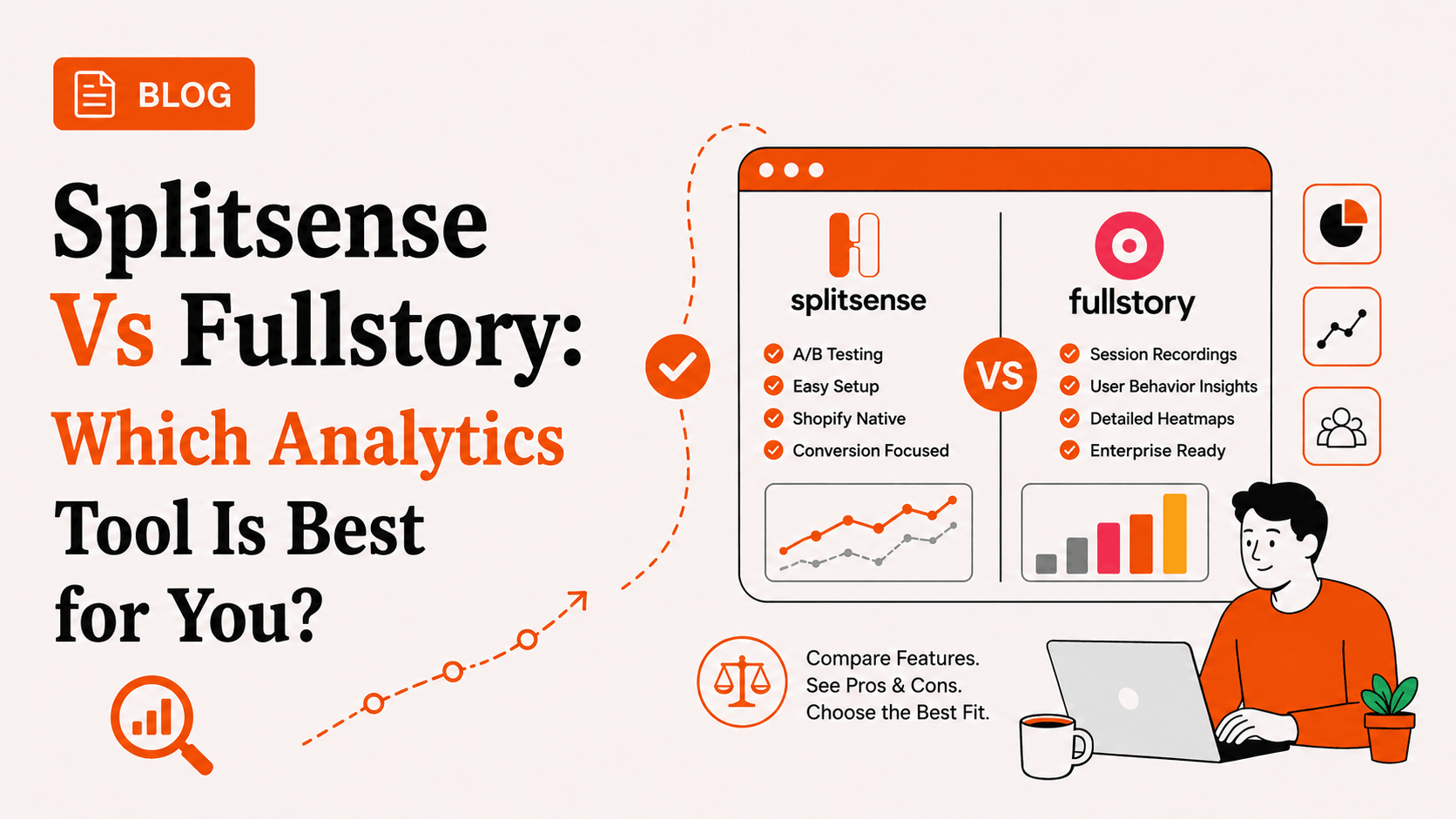
Splitsense Vs Fullstory
You're three minutes into a session replay. Real person, real cursor, hovering over your "Add to Basket" button like it owes them money. Then they scroll up. Scroll back down. Rage-click the size dropdown, twice, and they're gone.
You saw it happen. You almost felt it.
So now what?
That little question, now what, is the whole ballgame. And it's the exact spot where FullStory and SplitSense quietly walk off in different directions.
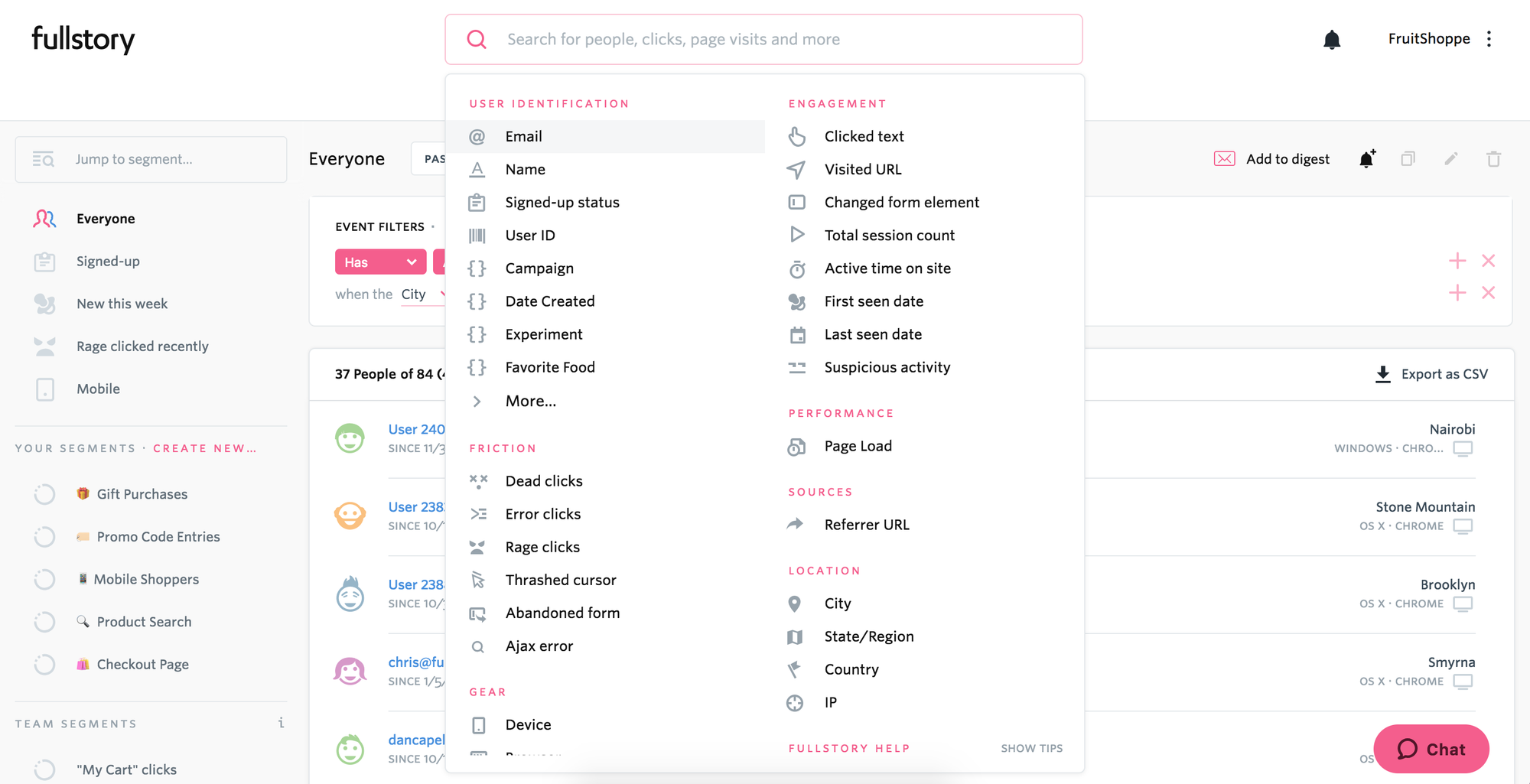
FullStory is a really, really good microscope
Let me give credit where it's due, because FullStory earns it. The company's been at this since 2014, built on a genuinely smart premise: traditional analytics tell you what people did, bounced, abandoned, churned, but almost never why. FullStory went after the why. Session replay that plays back like a DVR of someone's visit. Heatmaps. Conversion funnels. Rage-click and dead-click detection. Segmentation that lets you slice your traffic a hundred ways.
It's a forensic tool. When something's broken on your site and nobody can work out why support tickets keep mentioning the checkout, FullStory is the thing that lets you watch the crime happen. Product teams love it for exactly this. UX researchers basically live in it.
And honestly? For diagnosis, there isn't much that beats it. If your whole problem is "I don't understand my users," FullStory will fix that understanding gap faster than almost anything on the market.
But here's the thing nobody quite says out loud.
Watching isn't fixing
A microscope shows you the bacteria. It doesn't prescribe the antibiotics.
You finish your replay session, you've got a hunch, maybe the size selector is confusing, maybe the trust badges are below the fold, maybe that hero headline is doing nothing, and then... you have to go do something with that hunch. Build the variant. Wire up the test. Split the traffic. Wait for significance. Read the numbers. Decide. Ship.
FullStory doesn't do that part. Not really.
People assume it does, because "A/B testing" shows up in conversations around it. But dig in and the picture's thinner than you'd expect. Most of FullStory's experimentation story is about analysing tests you ran in a separate tool, it integrates with the likes of Optimizely and VWO so you can filter replays by which variant a user saw. Useful! But notice what's happening: the actual experiment lives somewhere else. FullStory is just the lens you point at it afterward.
There is a native A/B Experiments feature tucked inside its Guides and Surveys product. Fair play. But it's a fairly narrow thing, a one-time allocation that buckets users into variants at the moment you create it, mostly for deciding which tour or banner or checklist to show. It is not a conversion-optimisation engine for your product page. It won't rewrite your headline, test three button colours, and tell you which one made you money.
So the real workflow with FullStory looks like this: you watch, you hypothesise, you (or your overworked developer) build, you test in another tool, you read the result. FullStory is one, admittedly excellent, station on an assembly line that still needs a human standing at every other station.
That's a lot of you.
Splitsense covers you!
This is the bit that's genuinely different, so let me be clear about it.
You drop one script into the <head> of your site. That's the entire setup. Any platform: a custom build, Webflow, Framer, Wix, a Shopify store, whatever you've got. (There's a proper Shopify app if you want it, but Splitsense is not a Shopify-only tool, it works on any website, autonomously.) From there the AI does the loop you'd normally do by hand. It indexes your pages. It spots the friction, the dead zones, the drop-offs, the elements doing nothing. It forms hypotheses about what'll convert better. It builds the variants. It runs the test against live traffic. It reads the result and keeps the winner.
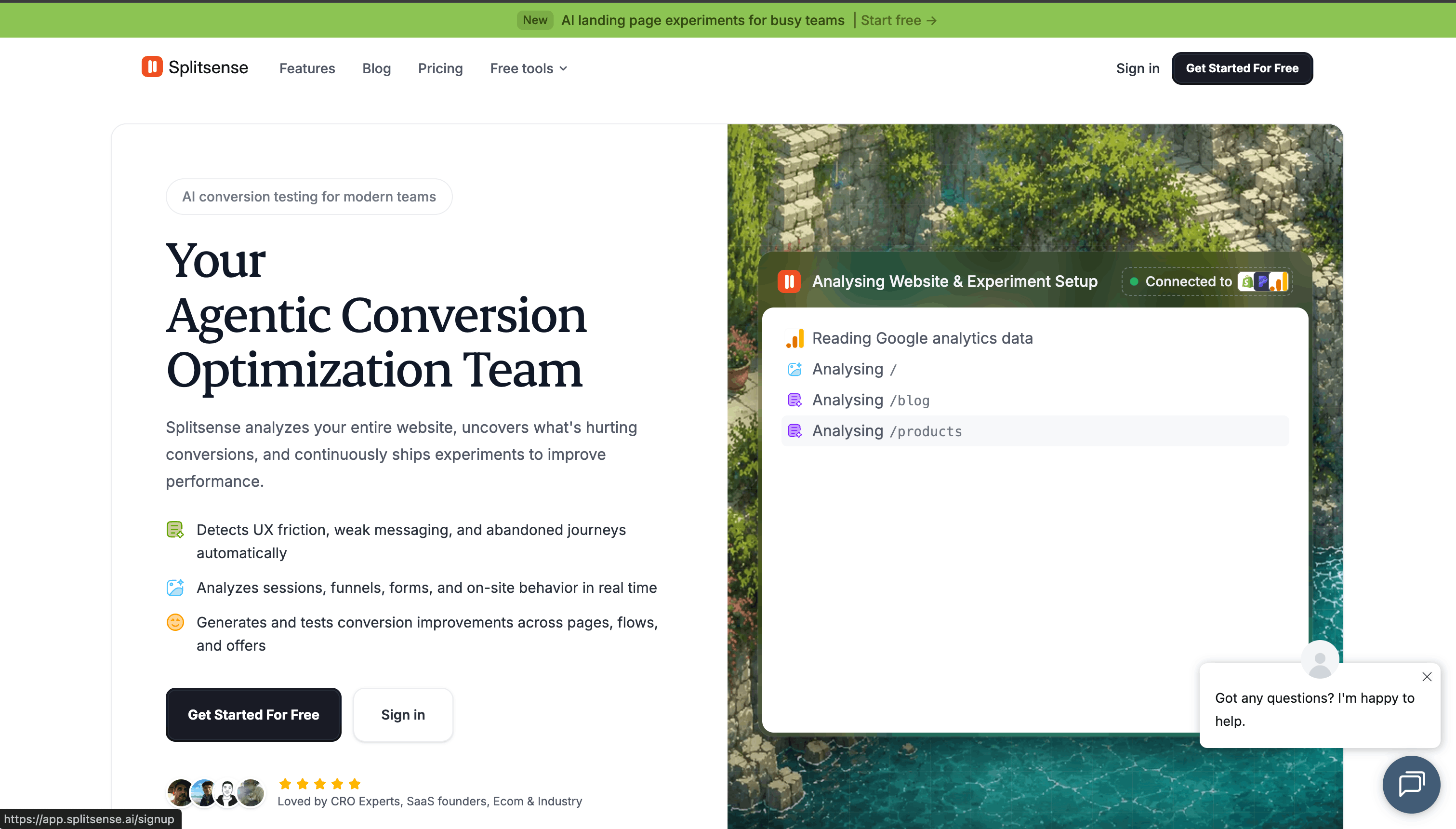
No developer in the loop. No second tool for the actual experiment. No "right, I've watched forty replays, now let me block out a sprint to act on them."
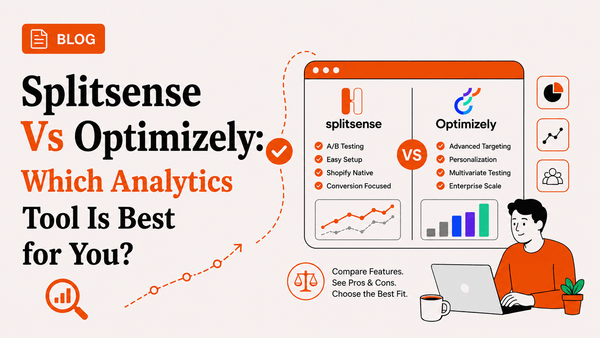
That's the philosophical split in a sentence. FullStory tells you what's wrong, beautifully, and leaves the fixing to you. Splitsense just... fixes it, and shows you what it changed.
If you've ever stared at a gorgeous heatmap and thought okay, but I don't have time to do anything about this, that feeling is the entire reason Splitsense exists.
Then there's the small matter of the bill
FullStory's pricing is, to put it gently, an experience. There's no number on the website. You book a call, you negotiate, you sign an annual contract. Real-world figures float somewhere from a few thousand a year at the low end into the tens of thousands once session volume climbs, with a 10-seat minimum baked in and overage charges if you blow past your contracted sessions. And the way it counts sessions is brutal for a busy site, every single visit is a session, so a thousand daily users logging in once a day is already 30,000 sessions a month before you've done anything.
That's enterprise pricing for an enterprise tool, and that's fine, it's who FullStory is built for.
SplitSense costs $29 a month.
I'm not going to pretend that's an apples-to-apples feature comparison, because it isn't, they're different categories of product. But if your honest goal is "make more of my visitors buy without selling a kidney to fund the tooling," the gap is hard to ignore. We dug into this whole problem in this piece on conversion tools under $10/month, if you want the wider lay of the land.
So who should pick what?
I'll be straight with you, because pretending one tool wins everything is how you lose trust.
Pick FullStory if you're a mid-market or enterprise outfit with a real product or UX team, people whose job is literally to watch sessions, dig through funnels, and feed insights to engineers. If you've got a sprawling app with thousands of edge cases and the headcount to act on what you find, FullStory's depth is genuinely worth the price of admission. It is a serious instrument for serious analysis.
Pick Splitsense if you're a founder, a marketer, a small team, or honestly anyone who doesn't have a spare CRO specialist sitting around, and you want conversions to actually improve rather than just be understood. If "I keep meaning to run that test" describes your last six months, Splitsense removes the part of the job that never gets done: the doing.
A fair number of teams could even run both. FullStory as the magnifying glass for the gnarly stuff, Splitsense quietly grinding away on the conversion experiments in the background.
But if you're choosing one, and most people building a business, rather than studying one, are choosing one, my recommendation is Splitsense. Not because FullStory's bad. It's brilliant. It's because a tool that acts beats a tool that observes when your actual problem is revenue, and your actual constraint is time.
A heatmap has never, on its own, made anyone a single dollar, yen or pound.
Weighing up other options too? We did the same honest breakdown for SplitSense vs PostHog. And if you just want to stop your product page leaking money before you compare anything, start here.