How To Start A Shopify Dropshipping Business in 2026

TL;DR
Shopify dropshipping is a low-barrier e-commerce model where suppliers ship directly to customers, no inventory needed. Starting costs $200-600/month, but success rates are low (10-20% achieve profitability, 90% fail within 120 days). In 2026, it requires treating it as a real business with proper automation, vetted suppliers, and professional branding, not a get-rich-quick scheme.
Key Points
Startup Costs
- $200-600/month minimum (Shopify $39, domain $16, apps $0-100, marketing $100-300)
- Need $500-1,000+ testing budget for ads to gather meaningful data
- Expect to break even or lose money initially while learning
Realistic Expectations
- 15-30% net profit margins after all expenses
- 6-12 months to see first real income
- Many stores earn $500-2,000/month in first year
- Takes ~1 year full-time to replace average salary
Success Factors
- Choose niches with 30-50% profit margins and real demand
- Always order samples before committing to suppliers
- Domestic suppliers = faster shipping (2-5 days) vs international (10-30 days)
- Focus on product quality, fast delivery, and excellent customer service
- Build a genuine brand, not just a generic product reseller
Common Mistakes to Avoid
- Oversaturated niches (phone cases, basic fitness gear)
- Poor supplier vetting—your reputation depends on their reliability
- Underestimating marketing costs (budget 20-40% of revenue)
- Copying competitor stores exactly
- Promising fast shipping with 15-25 day delivery times
Marketing Budget Allocation
- 60% paid advertising (Facebook/Instagram, Google Ads)
- 20% influencer partnerships
- 10% email marketing tools
- 10% SEO and content
What is Shopify Dropshipping?
Dropshipping has revolutionised e-commerce by enabling entrepreneurs to launch online stores without the traditional barriers of inventory investment and warehouse management. Shopify powers over a million online retailers, making it the leading platform for dropshipping businesses worldwide. In this comprehensive guide, we'll explore everything you need to know about building a successful Shopify dropshipping business in 2026, from setup to scaling.
Understanding the Dropshipping Business Model
Dropshipping is a business model where sellers operate an online store without holding any physical inventory. Instead of purchasing stock upfront, you partner with third-party suppliers who handle inventory storage and shipping logistics. When a customer places an order on your Shopify store, the order is automatically sent to your supplier, who ships the product directly to the customer.
This fulfillment method offers several advantages:
- Zero inventory investment required to start
- No warehousing costs or storage concerns
- Reduced financial risk compared to traditional retail
- Location independence to run your business anywhere
- Scalability without physical infrastructure limitations
The seller acts as the middleman, focusing on storefront management and marketing while suppliers handle the operational logistics.
Why Shopify Dominates Dropshipping
Shopify makes it incredibly easy to set up a professional-looking online store with no coding experience. The platform's popularity stems from its comprehensive ecosystem designed specifically for e-commerce success.
Key Shopify Advantages:
- Seamless integration with popular dropshipping apps like DSers, Spocket, and Zendrop
- Integrated payment gateways including Shopify Payments, PayPal, and Stripe
- Built-in marketing tools and SEO capabilities
- Customizable storefronts with professional themes
- Automated order processing and tracking
While WooCommerce powers 27.86% of dropshipping websites compared to Shopify's 11.8%, Shopify remains the preferred choice for beginners due to its user-friendly interface and all-in-one solution.
The Dropshipping Fulfillment Process
Understanding the order fulfillment workflow is crucial for operational success. With automated fulfillment, the supplier automatically receives order details, ships the product, and updates Shopify with tracking information.
Step-by-Step Process:
- Customer places order on your Shopify store
- Order details automatically forward to your supplier
- Supplier processes and ships the product directly to customer
- Tracking information syncs back to your Shopify dashboard
- Customer receives product with your branding (if arranged)
If the supplier doesn't integrate with Shopify, the seller needs to manually process orders by forwarding customer shipping details and updating tracking information manually.
Success Rates and Realistic Expectations
While dropshipping offers low barriers to entry, success requires strategic planning. Industry analysis suggests only 5% to 10% of Shopify stores achieve long-term profitability, with roughly 10-20% of dropshipping stores achieving consistent profitability.
📊 Critical Statistics: Nearly 90% of e-commerce startups fail within their first 120 days, highlighting the importance of proper planning and execution.
However, if you follow a proven system and focus on high-ticket products ($200+ per sale), your chances of success are far higher than average. Success factors include niche selection, supplier reliability, marketing expertise, and customer service excellence.
The dropshipping landscape in 2026 demands more sophistication than ever before, but with Shopify's robust infrastructure and the right strategy, building a profitable online business remains achievable for dedicated entrepreneurs.
Pros and Cons of Shopify Dropshipping
Understanding both the advantages and limitations of Shopify dropshipping is essential before diving into this business model. While the previous section covered what dropshipping is and how Shopify facilitates it, let's examine whether this approach aligns with your entrepreneurial goals.
The Major Advantages
Low Barrier to Entry
Dropshipping requires minimal capital because you don't have to purchase inventory upfront. Starting a lean dropshipping setup typically costs $200 to $600 monthly, covering your Shopify subscription, domain, apps, and initial marketing—far less than traditional retail ventures.
Operational Freedom
The model offers unparalleled flexibility. You can manage your Shopify dropshipping store from anywhere with an internet connection, eliminating warehousing and shipping responsibilities. This location independence makes it ideal for digital nomads and those seeking work-life balance.
Product Diversity
You can sell a variety of products with no upfront costs, allowing you to test different niches and pivot quickly based on market demand without being constrained by physical inventory.
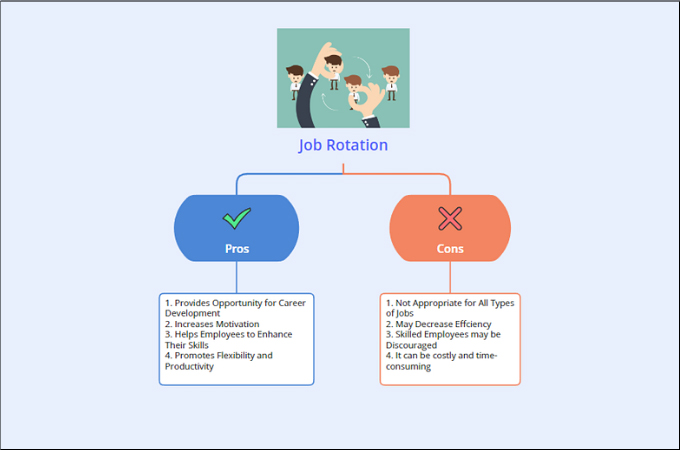
Weighing the advantages and disadvantages helps determine if Shopify dropshipping aligns with your business goals.
The Significant Drawbacks
Profit Margin Pressure
Dropshipping generally has thinner profit margins compared to traditional retail, largely due to high competition in the dropshipping space. You're competing with thousands of stores selling similar products.
Limited Control
You have less control over the quality, packaging, and shipping of the items. Your reputation depends entirely on supplier reliability, and poor performance from suppliers can negatively impact your business.
Shipping Complications
Sourcing products from multiple suppliers can lead to higher shipping costs and inconsistent delivery times, frustrating customers and complicating your logistics.
Setting Realistic Expectations
Many beginners break even or lose money initially while learning the ropes. Dropshipping is not a "get rich quick" model—it requires testing, learning, and consistency. Building a business with healthy profit margins takes months or years, not weeks.
When Dropshipping Makes Sense:
- You have limited startup capital
- You want to test product ideas with minimal risk
- You value location independence over maximum profits
- You're willing to invest time in marketing and customer service
When to Consider Alternatives:
- You need immediate, substantial income
- You want complete control over product quality
- You're targeting premium markets requiring brand differentiation
- You can't tolerate thin margins and supplier dependencies
How to Start Dropshipping on Shopify
Now that you understand the advantages and challenges of Shopify dropshipping, it's time to turn that knowledge into action. Launching your dropshipping store doesn't require technical expertise or a massive budget—just a clear roadmap and consistent execution. Here's your step-by-step guide to getting your Shopify dropshipping business off the ground.
Step 1: Choose Your Niche and Research Products
Your niche determines everything from your target audience to your marketing strategy. You can select a niche based on your existing knowledge or passion, or by identifying market demand. While passion helps with content creation, market demand ensures profitability.
Validate your niche using these tools:
- Google Trends – Analyze historical interest and seasonal patterns
- Facebook Audience Insights – Understand demographic data and interests
- Keywords Everywhere – Reveal popular product-related searches and search volume
💡 Tip: Look for niches with sustained and increasing popularity rather than temporary fads. A steady upward trend indicates long-term viability.
Consider choosing your dropshipping supplier before finalizing your niche to ensure product availability aligns with your business vision.
Step 2: Find Reliable Dropshipping Suppliers
Your supplier directly impacts customer satisfaction, so choose wisely. Shopify's app store offers dropshipping apps like Zendrop and Spocket to source products, each with different strengths.
Supplier recommendations by business stage:
- Just starting: AliExpress or Zendrop's free plan for low-cost product testing
- Scaling (20+ daily orders): Zendrop or Spocket for faster shipping
- Private labeling: Alibaba for bulk orders with custom branding
Quality supplier checklist:
✅ Delivers to the US/EU in under 10 days
✅ Responds to messages within 24 hours
✅ Provides tracking for every order
✅ Offers product samples for quality verification
⚠️ Warning: Always order samples before committing to a supplier. This protects you from quality issues that could damage your brand reputation.
Step 3: Set Up Your Shopify Store
Creating your Shopify store is straightforward and typically takes just a few hours. Start with Shopify's free trial to explore the platform without financial commitment.
Essential setup steps:
- Create your Shopify account and select a store name
- Choose a theme that reflects your niche and target audience
- Customize your store's design and branding
- Add essential pages: About Us, Contact, Shipping Policy, Refund Policy
- Enter your business address and banking information (PayPal or checking account)
Your branding should immediately communicate what you sell and resonate with your ideal customer's preferences and values.
Step 4: Install Dropshipping Apps
Shopify offers integrations with dropshipping apps that make it easy to import products and manage inventory. Popular options include Zendrop, Spocket, AppScenic, and DSers.
These apps connect directly to your Shopify store, automating product imports and order syncing—eliminating manual data entry and reducing errors.
Step 5: Add Products to Your Store
Import products from your chosen dropshipping app, but don't just copy-paste supplier descriptions. Write unique, detailed product descriptions that highlight benefits, address customer concerns, and incorporate relevant keywords for SEO.
Product listing best practices:
- Use high-quality images from multiple angles
- Set competitive pricing with healthy profit margins (typically 30-50%)
- Include detailed specifications and dimensions
- Add customer-focused benefit statements
- Optimize product titles for search engines
Step 6: Set Up Payment and Shipping
Configure payment gateways to accept customer transactions. Shopify Payments offers the smoothest integration, but PayPal and Stripe are popular alternatives.
Determine your shipping strategy carefully—this directly impacts your profit margins. Consider offering free shipping with prices adjusted accordingly, as this often increases conversion rates despite the lower profit margins discussed in the previous section.
Step 7: Design Your Store and Optimize for Conversions
Your store design influences trust and purchasing decisions. Focus on clean navigation, fast loading times, and mobile responsiveness (most traffic comes from mobile devices).
Conversion optimisation essentials:
- Clear call-to-action buttons
- Trust badges and security seals
- Customer reviews and testimonials
- Simple checkout process
- Professional product photography
Step 8: Launch and Start Marketing
With your store live, shift focus to driving traffic. Effective marketing strategies include social media advertising, influencer partnerships, content marketing, and email campaigns.
Use Shopify's built-in analytics to track performance metrics like traffic sources, conversion rates, and customer behavior. This data helps you refine your marketing tactics and allocate budget to the highest-performing channels.
📊 Key Metric: Monitor your customer acquisition cost (CAC) versus lifetime value (LTV). Sustainable dropshipping businesses maintain an LTV:CAC ratio of at least 3:1.
Start with small advertising budgets, test different approaches, and scale what works. Remember that building a profitable dropshipping business takes time—focus on learning and optimization rather than overnight success.
Best Dropshipping Apps for Shopify
Now that you've set up your Shopify store and installed your first dropshipping apps, it's time to explore the comprehensive landscape of tools available to optimize your operations. The Shopify App Store features over 400 apps in its dropshipping category, each designed to streamline different aspects of your business—from product sourcing to order fulfillment and everything in between.
Product Sourcing Apps: Finding Your Winning Products
The foundation of any successful dropshipping business is reliable product sourcing. DSers remains the go-to choice for AliExpress dropshipping, offering seamless integration with the world's largest wholesale marketplace. For faster domestic shipping, Zendrop specializes in US-based suppliers, significantly reducing delivery times for North American customers.
If you're targeting premium markets, Spocket focuses exclusively on US and EU suppliers, ensuring higher quality standards and faster shipping. CJ Dropshipping provides extensive product variety and sourcing capabilities, while Modalyst grants access to recognized brand-name products like Calvin Klein and Timberland—perfect for stores seeking established brand credibility.
Automation and Order Management Apps
Automation transforms dropshipping from a time-consuming manual process into a scalable business model. Modern apps handle product imports, inventory updates, order forwarding, tracking number synchronization, and dynamic pricing automatically. Popular automation tools like Zendrop, DSers, and AutoDS connect directly to Shopify, managing the entire order lifecycle.
For advanced needs, tools like Spark Shipping or AutoDS offer sophisticated features including multi-supplier routing rules, real-time inventory sync, and exception handling—essential for stores managing multiple suppliers or high order volumes.
Print-on-Demand Apps: Building Your Brand
Print-on-demand (POD) apps enable you to create unique, branded products without inventory investment. Printify, Printful, and Gooten lead the POD category, allowing you to customize t-shirts, mugs, tote bags, and hundreds of other products with your designs. This approach eliminates direct competition with other dropshippers while maintaining zero inventory risk.
Free vs Paid App Options: Budgeting Your Tech Stack
Budget-conscious entrepreneurs will appreciate several robust free options. DSers offers an impressive free plan supporting up to 3,000 products and 3 Shopify stores, while CJ Dropshipping operates completely free with per-order payment only.
However, premium features require investment. Zendrop's paid plans range from $49–$79/month for branded packaging and faster processing, while Spocket starts at $39.99/month for full product import capabilities. Most dropshipping stores budget $40–$100/month for apps, depending on their scale and automation needs.
💡 Pro Tip: Start with free plans to test functionality, then upgrade to paid tiers as your order volume justifies the automation and premium features.
Checkout our article for a full list of the best apps for shopify dropshipping. You'll find a wide variety here, solving many problems that you will face while creating a dropshipping business.
Finding Reliable Dropshipping Suppliers
Now that you've explored the best dropshipping apps for Shopify, the next critical step is finding suppliers who will actually deliver quality products on time. Your supplier relationships can make or break your dropshipping business, so choosing the right partners requires careful research and vetting.
Where to Find Dropshipping Suppliers
Finding dropshipping suppliers requires effort, but multiple channels exist to connect you with potential partners:
- Direct manufacturer contact - Identify products you want to sell and reach out to manufacturers directly for the best pricing
- Dropshipping platforms - Services like AppScenic provide access to vetted suppliers and automated processes
- E-commerce app stores - Your Shopify App Store offers product sourcing apps with integrated suppliers
- Online communities - Reddit's dropshipping communities share supplier recommendations and experiences
- Google searches - Strategic searches can uncover niche suppliers not listed on major platforms

Thorough supplier vetting protects your business from costly mistakes and customer dissatisfaction.
Critical Red Flags When Evaluating Suppliers
Watch for these warning signs that indicate a problematic supplier relationship:
⚠️ Warning: Missing or unclear business details signal potential reliability issues
- Middlemen posing as manufacturers - Working with intermediaries instead of direct manufacturers increases costs and reduces profit margins
- Poor reliability track record - Unreliable suppliers delay shipments and compromise product quality, damaging customer trust
- Vague communication - Suppliers who avoid direct answers or provide inconsistent information
- No transparent pricing - Hidden fees or unclear cost structures
Essential Questions for Potential Suppliers
Before committing to any supplier partnership, ask detailed questions about their operations:
Pricing & Fees:
- What are your wholesale prices and minimum order quantities?
- Are there handling, packaging, or monthly fees?
Shipping & Logistics:
- How are products shipped and is tracking information provided?
- What's your average processing and delivery time?
- What's your return and refund policy?
Billing & Operations:
- Do you charge immediately or send monthly invoices?
- Do you offer blind dropshipping (shipping without your branding)?
- How do you handle defective products or quality issues?
Testing Product Quality Before Selling
Never list products without firsthand quality verification. Order samples to assess quality directly before committing to a supplier:
- Research supplier reviews - Look for positive feedback and proven track records
- Order multiple samples - Test different products to evaluate consistency
- Inspect thoroughly - Verify the item matches descriptions, functions properly, and arrives well-packaged
- Test shipping times - In-person testing reveals discrepancies that may not meet your standards
Building Strong Supplier Relationships
Good supplier connections mean better products, smoother shipping, and happy customers. Invest in these relationships through:
- Clear communication - Respond promptly and provide accurate order details
- Reliable payments - Pay suppliers on time and work through issues collaboratively
- Long-term thinking - Sustained partnerships enable you to secure volume discounts and priority treatment
💡 Tip: Treat suppliers as business partners, not just vendors. Mutual respect creates opportunities for better terms and exclusive products.
Domestic vs International Suppliers
The choice between domestic and international suppliers involves important trade-offs:
Domestic Suppliers:
- Faster shipping times (2-5 days typical)
- Delivery speed is a key customer satisfaction factor, making domestic suppliers valuable for competitive markets
- Higher product costs but lower shipping fees
- Easier communication and quality control
- Better for premium positioning
International Suppliers:
- Lower product costs (especially from Asia)
- Longer shipping times (10-30 days)
- Potential language and time zone barriers
- Higher shipping costs for individual orders
- Better for price-competitive markets
Consider starting with domestic suppliers to build customer trust through fast delivery, then strategically add international suppliers for products where price matters more than speed.
Here is a video guide that we highly rate, it provides great insights into how to source good suppliers.
Choosing Profitable Products to Dropship
Once you've established relationships with reliable suppliers, the next critical step is selecting products that will actually generate sales and profits. Product selection can make or break your dropshipping business, so understanding what makes a product "winning" is essential for long-term success.
What Makes a Winning Dropshipping Product?
A winning product has sales, but that's just the starting point. The best dropshipping products share several key characteristics that maximize your chances of success. Look for items with consistent sales volume over time, unless you're specifically targeting seasonal opportunities. Use tools like Google Trends to identify potential winning products by analyzing search interest and demand patterns.
Key characteristics to prioritize:
- Solve a specific problem or fulfill a clear need
- Lightweight and compact to minimize shipping costs
- Profit margin potential of at least 30-40%
- Not readily available in local retail stores
- Visual appeal that photographs well for online marketing
- Low return rates to protect your bottom line
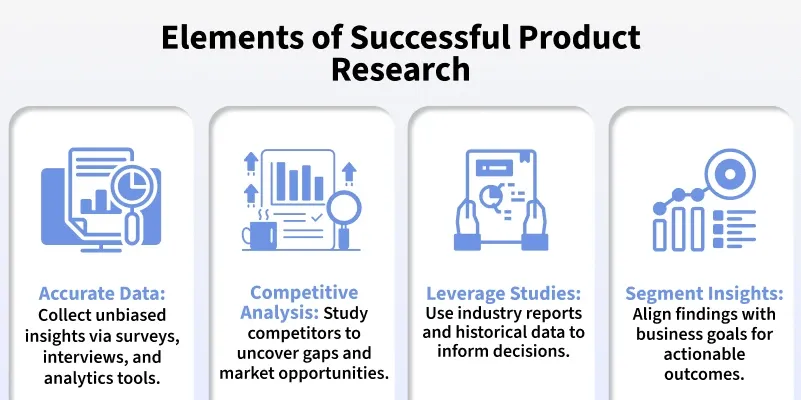
Essential components of effective product research for dropshipping success.
Essential Product Research Tools and Methods
Product research tools provide insights into sales volume, product availability, and quality, making them indispensable for data-driven decision-making. The AliExpress Dropshipping Center is a free product research tool that's perfect for beginners, while paid options offer more comprehensive analytics.
When choosing a product research tool, consider pricing, filtering options, and analytics capabilities. Testing multiple products simultaneously can accelerate your path to finding winners, so invest in tools that allow efficient comparison and tracking.
Analyzing Competition and Market Demand
Understanding what products other store owners are selling and how consumers respond to them provides valuable insights. To gauge competition levels, examine the organically listed sites on the first page of Google for your target keywords.
Tip: Moderate competition is actually ideal. Too little competition might indicate no market demand, while oversaturation makes it difficult to stand out.
Smart Pricing Strategies
Finding the sweet spot of being competitive while still protecting your profit margins is one of the most important aspects of starting a dropshipping business. Testing different pricing is a must to find the sweet spot and maximize profit.
Effective pricing strategies, such as cost-plus and value-based pricing, can enhance profit margins. Cost-plus pricing adds a fixed percentage to your product cost, while value-based pricing considers what customers are willing to pay based on perceived value.
Seasonal vs Evergreen Products: Finding the Right Balance
Seasonal products offer quick profit opportunities, while evergreen products provide consistent sales and stable income. The smartest approach? A smart balance between seasonal and evergreen items can help build a sustainable dropshipping business.
Seasonal products generate high demand during specific periods (holidays, summer, back-to-school), requiring careful inventory planning and aggressive marketing during peak times. Evergreen products sell consistently year-round, providing predictable revenue streams and reducing the stress of timing-dependent sales.
Niche Selection Best Practices
Choosing the right customer demographic determines your shop's trajectory. Consider three profitable categories:
- Hobby-related products – Enthusiasts are often willing to spend more on their passions
- Professional/B2B products – Business customers make larger orders but may prioritize competitive pricing
- Repeat purchase items – Products that customers need to reorder regularly generate recurring income
Focus on niches where you can demonstrate expertise or genuine interest. Authenticity resonates with customers and makes marketing efforts more effective and sustainable over time.
Setting Up Your Shopify Store for Dropshipping
Once you've identified your profitable products, the next critical step is building a professional Shopify store that converts visitors into customers. The technical foundation you establish now will directly impact your dropshipping success, from checkout completion rates to mobile user experience.
Selecting Your Shopify Plan
Start with Shopify Basic ($39/month) for your initial launch, as it provides all essential features most dropshippers need. Advanced plans become worthwhile only after reaching significant sales volume. As your business grows, the standard Shopify plan ($79/month) offers professional reporting features and lower transaction fees that benefit scaling stores. You can switch plans anytime through your store settings with automatic prorated billing.

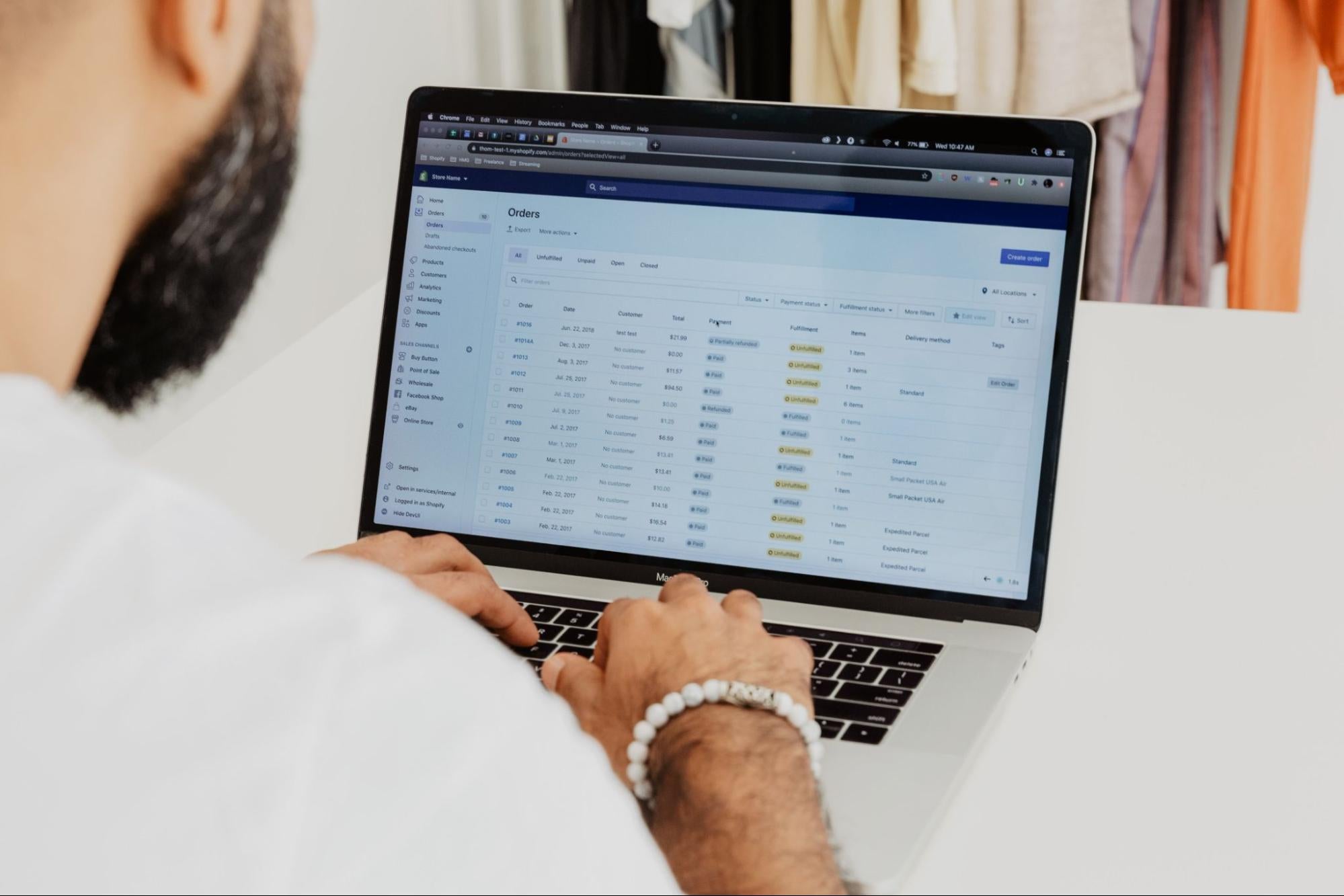
Shopify's intuitive dashboard simplifies store configuration and management for dropshippers.
Essential Store Configuration
Begin your setup by visiting Shopify.com and starting your free trial. Enter your business address and banking information in the settings dashboard to receive payments, then configure shipping settings and store policies. Connect your dropshipping apps by selecting "Visit Shopify App Store" from the sales channel menu to integrate suppliers seamlessly.
Theme Selection Strategy
Your theme choice significantly impacts conversion rates. Shopify offers thirteen free themes with basic functionality, while premium themes cost around $300-$400 and provide advanced features with sleeker designs. Prioritize themes optimized for speed, mobile responsiveness, and conversion elements. Popular dropshipping themes include Electro, Blum, Normcore, and Shine.
Building High-Converting Product Pages
Product pages are your digital salespeople. Include high-quality images from multiple angles, detailed descriptions addressing customer pain points, and prominent customer reviews. Add clear calls-to-action with contrasting button colors, trust badges near checkout buttons, and scarcity indicators when appropriate.
💡 Tip: Mobile optimization isn't optional—over 70% of ecommerce traffic comes from mobile devices. Test your entire checkout flow on smartphones before launching.
Legal Requirements
Establish credibility with comprehensive legal pages: Privacy Policy, Terms of Service, Refund Policy, and Shipping Policy. These pages protect your business legally and build customer trust, directly impacting conversion rates and reducing disputes.
Marketing Your Shopify Dropshipping Store
With your Shopify store now properly configured and optimized, it's time to focus on the most critical aspect of dropshipping success: driving qualified traffic to your store. Marketing is where most dropshipping businesses either thrive or fail, and understanding the right channels and strategies can make all the difference in your profitability.

Effective social media advertising is essential for driving traffic and sales to your dropshipping store.
Facebook and Instagram Advertising
Facebook and Instagram ads remain the cornerstone of dropshipping marketing. Video ads often increase conversion rates compared to static images, while carousel ads generally see a 10% higher click-through rate. Focus on creating mobile-first visuals with compelling, benefit-driven copy that includes strong calls-to-action like "Shop Now."
Key tactics for success:
- Start with precise demographic targeting (age, gender, location)
- Use Custom Audiences to retarget website visitors
- Create Lookalike Audiences based on your best customers
- A/B test headlines, copy variations, and CTAs continuously
- Add emojis strategically to increase engagement
Google Ads and Shopping Campaigns
Google Ads offers powerful intent-based targeting for dropshippers. Understanding the fundamentals is crucial: you can choose between CPC, CPM, or CPE bidding options depending on your goals. Focus on improving your Quality Score, as higher quality ads can be the cheapest to run. The quality level indicates the relevance of your keywords to your landing page and ad, directly impacting your ad costs and placement.
Google Shopping campaigns are particularly effective for product-based businesses, displaying your items directly in search results with images and pricing.
Influencer Marketing Strategies
Influencers build trust and demonstrate value while driving targeted traffic to your store. This strategy works because followers trust influencer recommendations, allowing you to build credibility quickly. Influencers can help shortcut the sales process by leveraging their established authority.
Start with micro-influencers (10K-100K followers) who have engaged audiences in your niche. They're more affordable and often deliver better ROI than celebrity influencers.
Email Marketing and Automation
Email marketing remains one of the highest-ROI channels for dropshipping. Set up automated flows for:
- Welcome series for new subscribers
- Abandoned cart recovery (critical for dropshipping)
- Post-purchase follow-ups and review requests
- Win-back campaigns for inactive customers
Build your email list from day one using pop-ups, exit-intent offers, and lead magnets.
Content Marketing and SEO
Long-term success requires organic traffic. Use tools like Google Keyword Planner, Ahrefs, and Semrush for keyword research, and focus on long-tail keywords that reflect specific search intents. Write unique and engaging product descriptions rather than copying supplier content, and create valuable blog content that addresses customer questions and pain points.
TikTok and Organic Social Growth
TikTok has emerged as a powerful platform for dropshipping, offering viral potential without ad spend. Create authentic, entertaining content showcasing your products in use. Focus on trending sounds, challenges, and hashtags to maximize reach. Instagram Reels and YouTube Shorts offer similar opportunities for organic growth.
Budget Allocation for Beginners
💡 Tip: Starting with a daily budget of $5-$10 allows you to test without a large upfront investment.
Recommended beginner budget breakdown:
- 60% - Paid advertising (Facebook/Instagram, Google Ads)
- 20% - Influencer partnerships and content creation
- 10% - Email marketing tools and automation
- 10% - SEO tools and content development
Start small, track your metrics religiously, and scale what works. Focus on one or two channels initially rather than spreading yourself too thin across all platforms.
Managing Orders and Customer Service
After driving traffic to your store through strategic marketing, the next critical phase is delivering an exceptional post-purchase experience. Efficient order management and responsive customer service can transform one-time buyers into loyal customers and protect your brand reputation.
Streamlining Your Order Processing Workflow
When a customer places an order, it appears in your Shopify Admin under Orders. The fulfillment process varies based on your supplier integration:
Automated Processing:
- Apps like DSers, Spocket, or Zendrop automatically send order details to your supplier
- The supplier ships the product and updates Shopify with tracking information
- Customers receive automatic email notifications with tracking details
Manual Processing:
- If your supplier doesn't integrate with Shopify apps, you'll need to manually order products and provide shipping addresses
- Manually mark orders as fulfilled and add tracking numbers in Shopify Admin
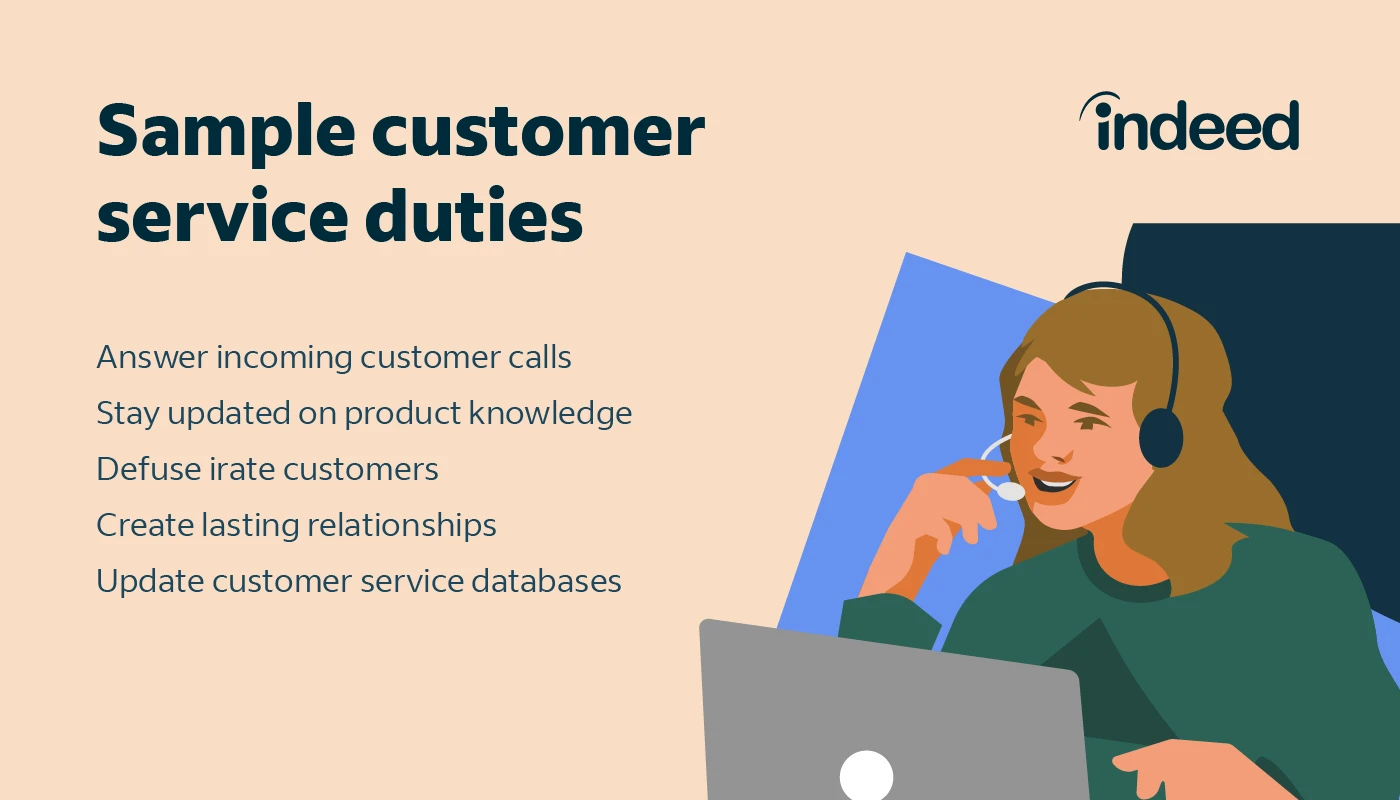
Effective customer service is essential for dropshipping success and building customer loyalty.
Managing Shipping Expectations and Tracking
Transparency is crucial for customer satisfaction. Clearly communicate expected delivery dates to avoid disappointed customers, especially when dropshipping from overseas. American consumers have high expectations for fast shipping, which can challenge new dropshippers.
Best Practices:
- Use Shopify shipping profiles to charge accurate fees and provide clear information
- Leverage automation apps to automatically update tracking information
- Display realistic shipping timeframes on product pages
- Send proactive updates about order status
Handling Returns, Refunds, and Common Issues
As a dropshipper, you're the intermediary between customers and suppliers, even though you don't control inventory or shipping. When issues arise, apologize, explain the solution, and offer compensation like refunds or exchanges. Work with suppliers who cover costs for their mistakes.
Tip: Use Shopify Inbox to create a chat feature with automated greetings and easy email follow-ups for seamless customer communication.
Leveraging Automation Tools
Automation tools like Zendrop eliminate manual order processing and ensure orders flow automatically from customer to supplier. Enable auto-fulfillment in Shopify, test orders to confirm tracking and payment sync, and review automation reports weekly to spot delivery delays or pricing changes early.
Essential Automation Features:
- Automatic order forwarding to suppliers
- Real-time tracking updates
- Automated customer notifications
- Inventory synchronization
By implementing these systems, you'll minimize manual work while maintaining the high-quality service that builds customer trust and drives repeat purchases.
Common Shopify Dropshipping Mistakes to Avoid
Building on the customer service foundations discussed earlier, understanding what not to do is equally critical for dropshipping success. Many beginners fall into predictable traps that drain budgets and damage reputations. Here are the most common mistakes and how to sidestep them.

Avoiding common dropshipping mistakes can save you time, money, and protect your brand reputation.
Choosing Oversaturated Niches
Generic niches like phone cases, basic fitness gear, and fast fashion are extremely crowded, leading to brutal competition and razor-thin margins. To assess saturation, check if Google Ads CPC exceeds $4, or if over 2,000 active Shopify stores compete in your niche. Products with average order values under $20 make it difficult to profit. Instead, focus on evergreen products, high-ticket niches, and building a brand rather than just a store.
Poor Supplier Vetting
Unreliable suppliers can lead to delayed deliveries, poor-quality products, and inventory inaccuracies, destroying customer trust. Thoroughly vet suppliers by verifying business credentials, checking website professionalism, and reading online reviews. Always place sample orders to assess product quality and delivery times before committing.
Unrealistic Profit Margin Expectations
New dropshippers often expect massive profits immediately. In reality, most successful dropshippers operate at 15-30% net margins after all expenses. Expect to break even or lose money initially while you figure things out. Margin improvement comes with experience, better supplier relationships, and refined advertising strategies.
Neglecting Customer Service Excellence
As emphasized in the previous section on customer service, poor customer support is a common reason dropshipping stores fail—you are responsible for the customer experience even though you don't physically handle the products, and how you respond to issues determines whether customers become repeat buyers or leave negative reviews.
Ignoring Shipping Times in Marketing
Transparency about delivery expectations prevents chargebacks and negative reviews. Never promise "fast shipping" if your supplier ships from overseas with 15-25 day delivery windows. Set realistic expectations upfront and communicate tracking information proactively.
Skipping Product Testing
Product testing allows you to assess supplier quality firsthand and can reveal discrepancies or issues that may not meet your standards. Order samples before listing products to verify quality, packaging, and actual shipping times.
Copying Competitor Stores Exactly
While competitor research is valuable, cloning stores without differentiation guarantees failure. Develop unique branding, create original product descriptions, and offer distinct value propositions that set you apart.
Underestimating Marketing Costs
Many beginners allocate insufficient budgets for paid advertising. Facebook and Google Ads require testing budgets of $500-$1,000+ to gather meaningful data. Factor in 20-40% of revenue for marketing costs when calculating profitability, especially during the launch phase.
💡 Pro Tip: Track every expense meticulously from day one. Understanding your true cost per acquisition and lifetime customer value prevents the illusion of profitability while actually losing money.
Frequently Asked Questions
Now that we've covered the critical mistakes to avoid, let's address the most common questions that arise when starting your Shopify dropshipping journey.
How much does it cost to start Shopify dropshipping?
The initial investment for Shopify dropshipping typically ranges from $200 to $600 monthly, depending on your chosen tools and marketing strategy. Here's the breakdown:
- Shopify subscription: $29/month (annual billing) or $39/month
- Domain registration: Approximately $16
- Dropshipping apps: $0-$100/month (many offer free plans)
- Marketing budget: $100-$300/month for paid advertising
When factoring in subscriptions, apps, and domain costs, expect to spend $80-$120/month on Basic plan essentials, excluding transaction fees and ad spend. Organic marketing through Instagram, TikTok, and Pinterest can help reduce initial costs.
Is Shopify dropshipping still profitable in 2026?
Yes, but the landscape has evolved significantly. Success in 2026 requires treating dropshipping as a real business with proper automation, vetted suppliers, and genuine brand identity. The days of simply importing random products and running basic ads are over—customers now expect fast shipping, professional packaging, and reliable customer service.
Do I need a business license for dropshipping?
You don't need a license to build your store or test your initial concept, but once you start collecting payments, proper registration becomes important. A business license is typically required when generating significant income, such as over $20,000 per month. Beyond legal compliance, having a license builds credibility with suppliers, protects your personal finances, and simplifies tax obligations.
How long does it take to make money with dropshipping?
Timeline expectations vary considerably. It typically takes at least a year of full-time work to recreate average full-time income through dropshipping. Some entrepreneurs see their first sales within 6 months, while others require longer. Success depends on consistent effort, learning from customer feedback, and refining your approach with each campaign.
Can I dropship without showing my face or brand?
Absolutely. Many successful dropshippers operate anonymously behind their brand identity. Focus on building a professional store presence, quality product descriptions, and excellent customer service rather than personal branding. Your business name and logo become the face of your operation.
What are the best niches for Shopify dropshipping?
The most profitable niches in 2026 balance passion with practicality. Look for products with 30-50% profit margins, solve specific problems, and aren't readily available in local stores. Trending categories include eco-friendly products, pet accessories, home office equipment, fitness gear, and hobby-specific items. Avoid the oversaturated niches we discussed in the previous section.
How do I handle taxes with dropshipping?
Tax obligations vary by location and sales volume. You'll typically need to collect sales tax in states where you have nexus (significant business presence), track all business expenses for deductions, and report income on your tax returns. Consider consulting a tax professional familiar with e-commerce to ensure compliance and maximize deductions.
Can I use multiple suppliers on one Shopify store?
Yes, and it's often recommended for business resilience. Using multiple suppliers diversifies your product range, reduces dependency on single sources, and provides backup options if one supplier faces issues. Shopify apps like Syncee and DropCommerce make managing multiple supplier relationships straightforward from a single dashboard.
Starting Your Dropshipping Journey
You've explored the fundamentals, tackled common questions, and now it's time to transform knowledge into action. Success in Shopify dropshipping hinges on several critical factors: delivering value through quality products and excellent customer service, building a strong brand that differentiates your store, and implementing effective digital marketing strategies across SEO, social media, and paid advertising channels.
Set Realistic Expectations
Let's be clear: dropshipping won't make you rich overnight. Many small stores earn $500-$2,000 monthly in their first six to 12 months, with profit margins typically ranging from 20% to 40% after covering product and shipping costs. Experienced sellers can scale to $10,000+ monthly once they optimize conversions and traffic.
Your Action Plan for Today
Start building your foundation immediately. Choose a niche and select products that interest you and have market demand, then find reliable suppliers who can deliver quality consistently. Build your online store on Shopify, craft compelling product descriptions, and promote your store via SEO, social media, and paid ads to attract your first customers.
Keep Learning and Growing
Continuous learning, observation, and optimization will play crucial roles in your ultimate success. Leverage Shopify's extensive resources and consider e-commerce training to sharpen your skills. With strategic focus on branding, marketing, and customer experience, you can carve your path in the dropshipping world and build a sustainable online business.
For a complete walkthrough of setting up your Shopify dropshipping store, watch:
A complete walkthrough on how to create a dropshipping business with shopify in 2026